Stubborn tendinitis or a torn ligament can keep someone away from sports, or work, for months. That is why more people are searching for stem cell treatment for tendons and ligaments. The short answer: results in tendons are encouraging but preliminary, and in ligaments the strongest trials have not shown a clear advantage.
Why are stem cells studied for these injuries?
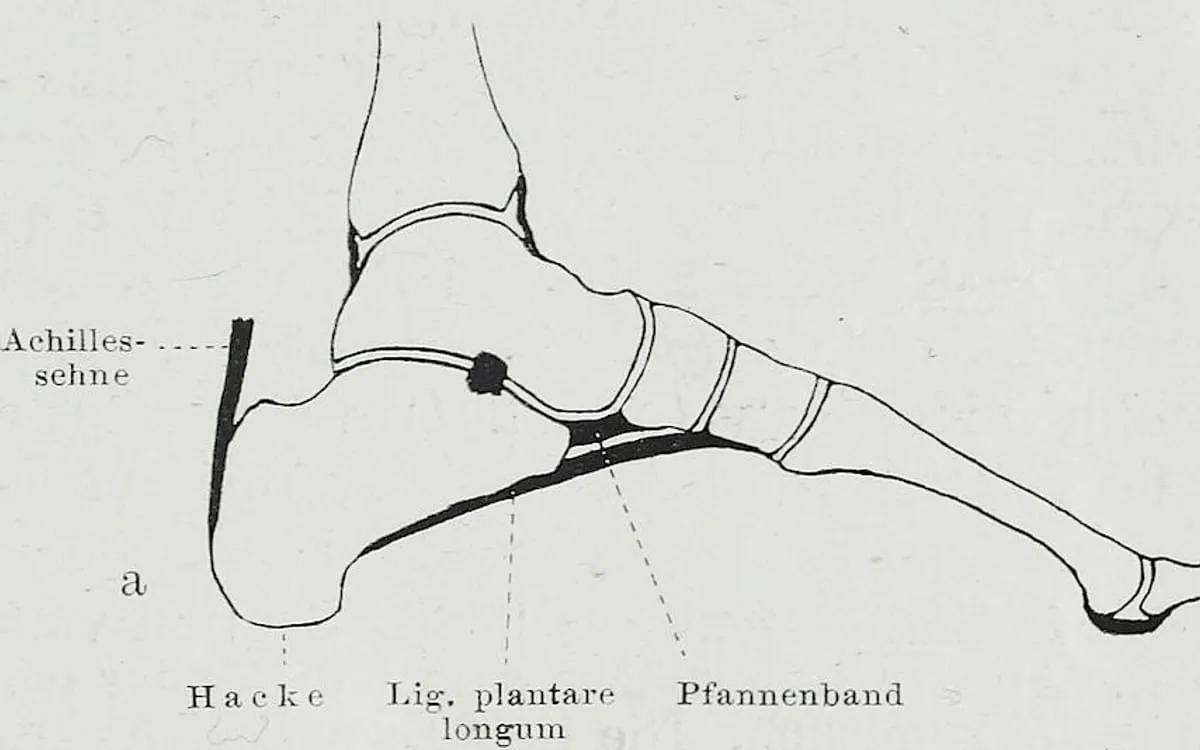
Tendons and ligaments have limited blood supply, so they heal slowly and the new tissue is not always as strong as the original. Mesenchymal stem cells are being studied because they release signals that may modulate inflammation and support repair. You can read more in our guide to mesenchymal stem cells.
Tendons: promising results, small studies
A 2022 systematic review analyzed 22 clinical studies with 658 patients covering the rotator cuff, elbow, Achilles, patellar and gluteal tendons:
- Overall, the studies reported improvements in pain and function.
- For the rotator cuff, four comparative studies found better results than controls, including less pain and fewer repeat tears.
- Almost all described the injection as safe during follow-up. Reported effects were minor, such as local swelling, injection site pain or bruising.
Another review from 2023 focused on cells from adipose tissue. It included 32 publications, only 10 of them in humans, and found better function and less pain. It also pointed to a lack of standardized protocols and randomized trials.
Ligaments: the case of the ACL
Here the evidence is less favorable. Most studies test whether adding bone marrow concentrate (which contains stem cells, among other cells) improves reconstruction surgery:
- A 2024 meta-analysis of 5 randomized trials and 221 patients found no clinically relevant improvement, although some MRI data suggest possibly better graft recovery. Complications were similar.
- A randomized trial with 175 patients found no clinical differences compared with standard surgery.
These studies evaluate bone marrow concentrate used during surgery. Their results cannot automatically be applied to other cell products or to an injection without surgery.
What we still need to learn
The authors of these reviews agree on several limitations:
- Many studies are small, and several have no comparison group.
- Follow-up is often 12 months or less.
- Cell source, dose and delivery method vary, which makes results hard to compare.
In addition, the U.S. FDA warns that it has not approved regenerative medicine products for orthopedic conditions such as tendinitis or arthritis. In Mexico, it is worth checking the product’s backing and proposed use with COFEPRIS, as explained in our guide to verifying a product.
Questions to ask your physician
- Is my injury partial or complete? Are there options with stronger evidence, such as rehabilitation or surgery?
- Which studies support this product for this tendon or ligament?
- Will the injection be ultrasound-guided? What will rehabilitation look like afterward?
- What results are realistic, how soon, and what are the risks?
The bottom line
In tendons, cell therapy shows encouraging results and a good short-term safety profile, but large trials are lacking. In ACL reconstruction, current evidence does not show a clear clinical benefit. The decision should be made with a specialist who has evaluated your injury.
Are you a physician looking for product information? See how we work in stem cell distribution in Mexico. Looking for care as a patient? Contact us and we can refer you to a physician on our list in your state.
- Mirghaderi SP, Valizadeh Z, Shadman K, et al. Cell therapy efficacy and safety in treating tendon disorders: a systemic review of clinical studies. Journal of Experimental Orthopaedics. 2022;9:85.
- Senesi L, De Francesco F, Marchesini A, et al. Efficacy of Adipose-Derived Mesenchymal Stem Cells and Stromal Vascular Fraction Alone and Combined to Biomaterials in Tendinopathy or Tendon Injury. Medicina (Kaunas). 2023;59(2):273.
- Park JY, et al. Biological augmentation of anterior cruciate ligament reconstruction with bone marrow aspirate concentrate: a systematic review and meta-analysis of randomised controlled trials. International Orthopaedics. 2024;49(1):35-43.
- Mokhtar AA, Gawish H, Abdelgawad A, et al. Biologically enhanced anterior cruciate ligament reconstruction: platelet-rich plasma or bone marrow aspirate concentrate does not lead to better clinical or radiological outcomes. Knee Surgery, Sports Traumatology, Arthroscopy. DOI: 10.1002/ksa.70484.
- U.S. Food and Drug Administration. Consumer Alert on Regenerative Medicine Products Including Stem Cells and Exosomes. Updated April 9, 2024.
This content is for informational purposes only and does not replace evaluation by a health professional. It has not been evaluated by the FDA.