In March 2026, Japan’s health ministry approved Amchepry, from Sumitomo Pharma, the world’s first therapy based on iPS cells to treat Parkinson’s disease. It is a historic milestone: no country had ever authorized a product made from this type of stem cell.
What are iPS cells?
Induced pluripotent stem cells (iPS cells) are made by reprogramming adult cells, such as skin or blood cells, back to an embryonic-like state. From there they can become almost any cell type in the body.
Their discovery earned Japan’s Shinya Yamanaka the 2012 Nobel Prize in Medicine. Fourteen years later, the first approvals have arrived.
How does the therapy work?
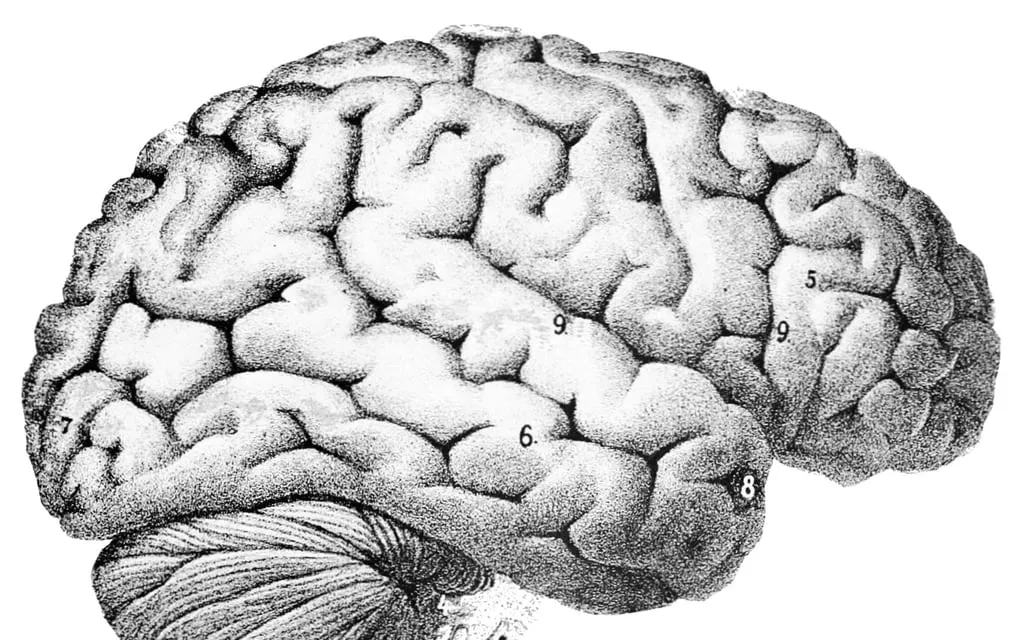
In Parkinson’s disease, the neurons that produce dopamine are lost, causing tremor, stiffness and slow movement. Amchepry consists of:
- iPS cells from healthy donors, turned in the lab into dopamine neuron precursors.
- A transplant into the brain, in the area lacking dopamine.
- The goal is for the new neurons to survive and produce dopamine on their own.
What did the clinical trial show?
The approval was based on a Kyoto University trial led by Dr. Jun Takahashi and published in Nature in 2025:
- 7 patients aged 50 to 69 took part, followed for 24 months.
- There were no serious adverse events and no abnormal growth of the transplanted cells.
- The cells survived and produced dopamine.
- Of 6 patients evaluated, 4 improved their motor symptoms off medication and 5 on medication.
A “conditional” approval
Japan has a special pathway for regenerative medicine: it allows conditional, time-limited approval when a therapy shows safety and early signs of efficacy. In return, the company must keep collecting data from treated patients to confirm that it works and obtain full approval.
What does it mean for the rest of the world?
- It is the first time an iPS cell therapy has moved from research to an approved product.
- It paves the way for other conditions where these cells are being studied, such as heart, retinal and spinal cord diseases.
- For now, the therapy is only available in Japan, under controlled conditions.
It is great news for the millions of people living with Parkinson’s and for regenerative medicine as a whole, although larger studies are still needed to understand its long-term benefit.
- Japan Ministry of Health, Labour and Welfare (MHLW). Conditional, time-limited approval of Amchepry (Sumitomo Pharma), March 2026. Reported by GxP News, 2026.
- AABB News. Japanese Regulatory Panel Recommends Advancing World’s First iPSC-Based Therapies. February 24, 2026.
- Sawamoto N, et al. Phase I/II trial of iPS-cell-derived dopaminergic cells for Parkinson’s disease. Nature. 2025;641(8064). doi:10.1038/s41586-025-08700-0
This content is for informational purposes only and does not replace evaluation by a health professional. It has not been evaluated by the FDA.