People looking for stem cell treatment in Mexico usually start with the same question: how much does it cost? There is no single reliable figure, because “treatment” can mean very different things. This guide explains what determines the price and what to check before paying, because the highest cost can be choosing poorly.
What determines the cost?
Two estimates can look comparable without being so. These factors matter most:
- The type of product. A therapy with living cells is not the same as a cell-free product such as exosomes or secretome.
- Source and dose. Cells can come from different tissues and in different presentations. A higher quantity often changes the cost, but it does not guarantee a better result.
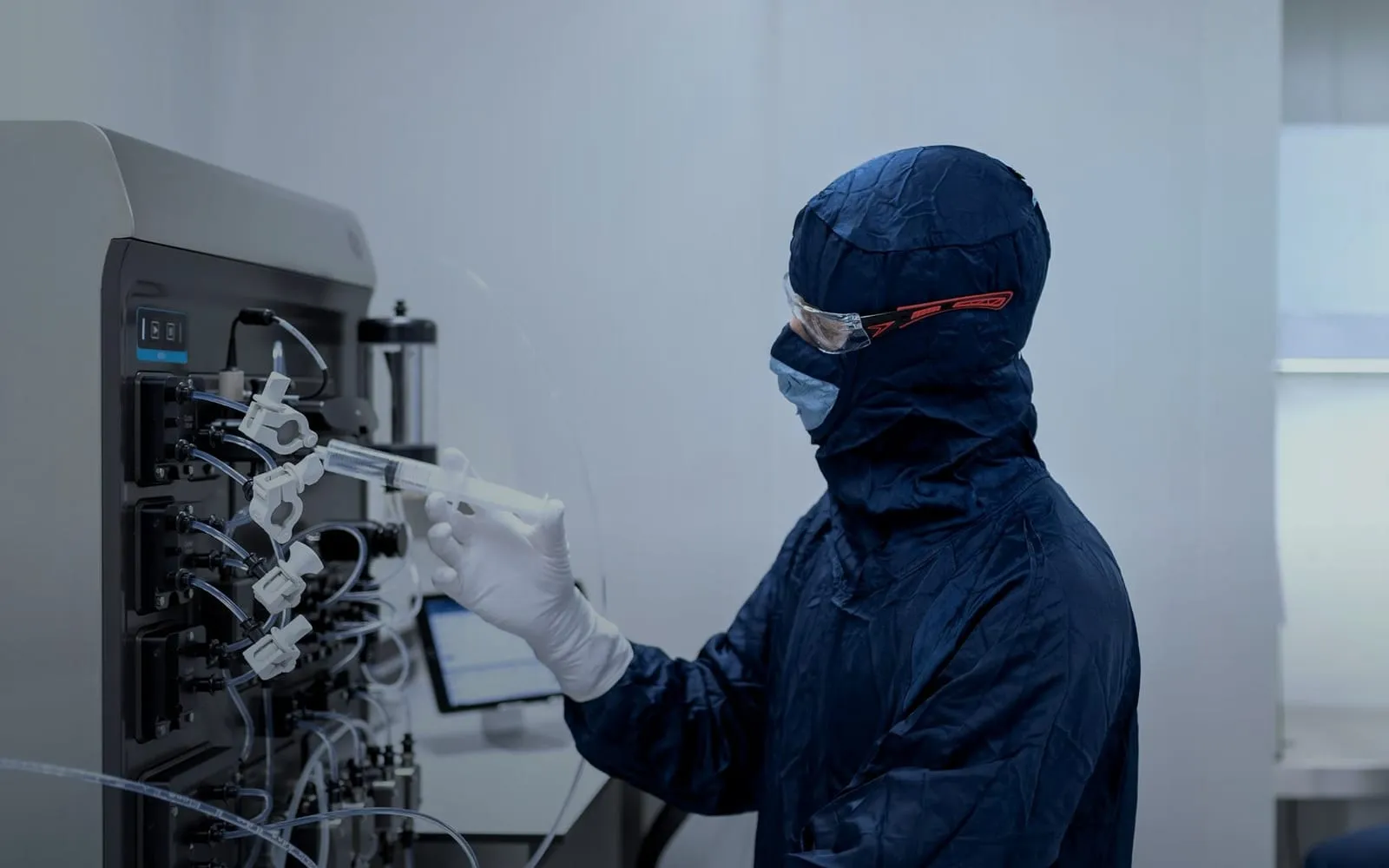
- The laboratory. Its process, quality controls and cold chain are part of the product.
- The route of administration. An intravenous infusion, an image-guided joint injection and an operating room procedure require different resources.
- Evaluation and follow-up. Visits, prior tests and later checkups may be included or charged separately.
- The number of sessions. Ask whether the estimate is per session or for the full plan.
The price of a product is not the total cost of treatment. Always ask for a written breakdown.
Are stem cell treatments legal in Mexico?
It is a reasonable question, and the answer has nuances. A legal analysis published in 2024 notes that authorized use in Mexico is limited to specific applications, such as hematological diseases including leukemia. Regulation has been evolving, including the draft standard PROY-NOM-260-SSA1-2017.
COFEPRIS has also acted against clinics offering these therapies without research protocols or scientific backing. So it helps to keep three ideas in mind:
- A facility’s health license does not by itself show that a product is authorized for every disease.
- If the procedure is offered as part of a clinical study, ask to see the protocol authorization and ethics committee.
- Rules change. Check the current scope directly with COFEPRIS.
For more detail, see how to tell if a product is trustworthy.
Warning signs
The International Society for Stem Cell Research (ISSCR) considers it a major warning sign when one type of cell is offered for many different diseases. Also be wary of:
- Promises of a guaranteed cure or no risk at all.
- Pressure to pay right away, or “limited-time offers”.
- Testimonials instead of studies.
- No answers about the laboratory, lot or dose.
- A procedure with no prior medical evaluation or informed consent.
The risk is real. In May 2024, the U.S. CDC reported three cases of infection with a hard-to-treat mycobacterium in people who received stem cells in Mexico. This does not mean every procedure carries that risk, but it shows why administration conditions and product quality matter.
Questions to ask before you pay
- What is my diagnosis, and which alternatives have stronger evidence?
- Which product will be used, who makes it and what is its lot?
- Which studies support it for my condition?
- What authorization do the facility, product and proposed use have?
- What does the cost include, and what happens if I have a complication?
A serious professional will answer these questions without difficulty. Our guide to regenerative medicine includes more points for your consultation.
How we can guide you
Regenérate is a distributor: we do not provide treatments. The content on this site is informational; we do not publish prices or sell online.
- If you are a physician or run a clinic, see how we work on our stem cell distribution in Mexico page and message us for more information.
- If you are a patient, contact us and we can refer you to a physician on our list in your state. The evaluation and clinical decision belong to that professional.
- COFEPRIS. COFEPRIS suspended a Mexico City clinic offering stem cell treatments without scientific backing. Press release, December 27, 2015. gob.mx/cofepris
- ECIJA México. Regulation of stem cell research in Mexico. December 9, 2024.
- Centers for Disease Control and Prevention (CDC). Morbidity and Mortality Weekly Report, May 9, 2024: Mycobacterium abscessus infections after stem cell treatments in Mexico.
- International Society for Stem Cell Research (ISSCR). Guide to Stem Cell Treatments. isscr.org
This content is for informational purposes only and does not replace evaluation by a health professional. It has not been evaluated by the FDA.